

We Australians simply love our pets. According to Animal Medicines Australia, our country is home to no less than 31 million pet animals, out of which more than 14 million are dogs and cats. That said, like a growing number of our country’s compatriots, you may be facing some space-related issues that make you unable to take care of a conventional pet. Would you like a Golden Retriever puppy that can fill your free time with his unbound energy and playfulness? Well, you will need to consider the available square footage of your property. And the same is also true if you are thinking of going for a feline.
Do you live in a small apartment, your budget is restricted, and you don’t have the necessary free time to take care of a pet with ample energy? In that case, like it’s the case with millions of our conational, you could consider going for a pet bird. Intelligent, long-living and associated with fewer pet-ownership costs than dogs and cats, pet birds are one of the best animal companionship choices for Australians living in properties with limited free space, or that rent out units with strict pet policies.
Birds like Australian parrots are incredibly intelligent compared to other types of animal companions, some studies accrediting them with a cognitive level comparable to that of a 5-year-old child. Plus, pet birds can form genuine emotional connections with their handlers; they can, in some cases, mimic sounds and are also easy to take care of, as they will, typically, only require a small cage, some toys, a companion and high-quality bird seed in order to keep themselves happy. But what exactly should premium bird food look like?
The Nutritional Requirements of Pet Birds
When we are talking about pet birds, at least in Australia, most of us refer to parrot species like Budgies, Cockatiels or Cockatoos. Australian parrot species are ideal for families with small children, as these types of birds are highly adaptable to apartment living and are also surprisingly long-living. Black-Cockatoos, for instance, are able to live in the wild for more than 40 years. With that being said, the longevity and overall health status of your small but adorable pet bird will be largely influenced by its nutritional intake.
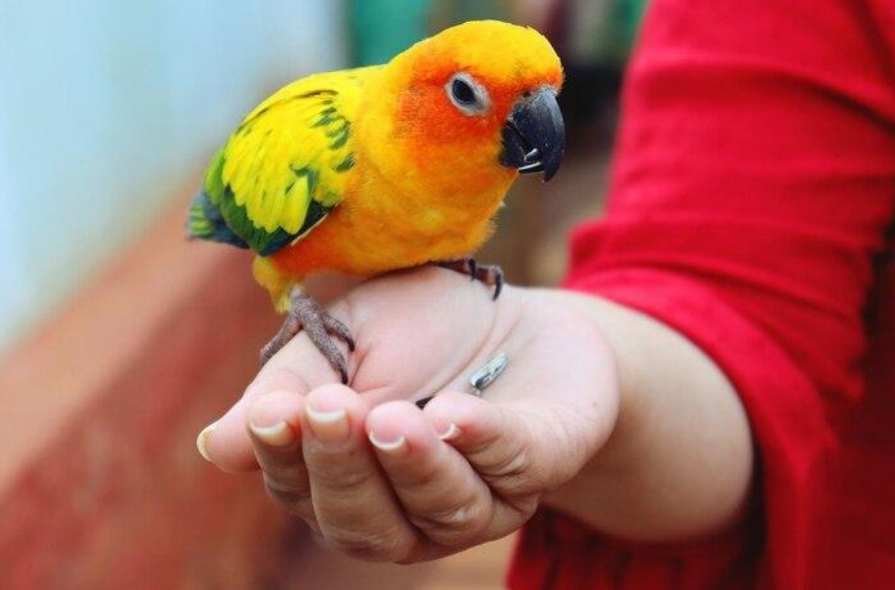
In order for Polly to stay in your life for generations to come, you will need to feed her with the right balance of proteins, fats and fibre required for the completion of day-to-day physical activities. Yes, the proper nutritional balance of pet birds will vary between species. After all, the sheer size of an African Grey will make it difficult to compare its required food intake with that of Rosellas. But, there are some dietary principles applicable to all Australian parrot species, including Budgies and Corellas.
Since they are formulated to cover the basics of pet nutrition, high-quality pellets should account for around 50% of your bird’s food intake. Seeds, even though in the wild represent the main food source for the majority of birds, are typically deficient in Vitamin A and Calcium, while also being high in fats. This is not a problem in moderate amounts. However, even for species like Budgies and Cockatiels, bird seed mixes should not account for more than 25% of their diet. The foundation of quality bird food should, therefore, consist of formulated pellets, combined with a daily dose of fresh vegetables like kale or sliced carrots.
What to Choose in a High-Quality Bird Seed Mix?
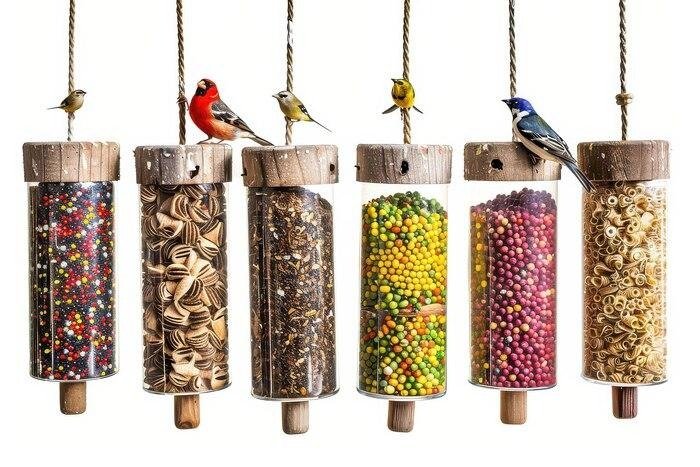
Bird food pellets present some clear benefits over store-available bird seed mixes, as pellets are grounded seeds, fruits, vegetables and added minerals that are encapsulated into uniform pieces that are easily digestible by most pet birds. Seed mixes, on the other hand, are just that, mixes of various, highly nutritious seeds like millet or oats, that are often provided in bulk form. Mixes should not account for more than a third of your bird’s diet, and when provided to them, they should only be composed of high-quality seeds that are actually liked and preferred by your feathery friend.
You should avoid seed mixes that primarily consist of cheap grains like wheat. On top of that, you should pick seed mixes that were previously declared safe for animal consumption by the APVMA and only go for brands that are transparent with the ingredients and nutritional values of their product. Plus, you should try to match the products you select with the optimum nutritional profile of your pet bird.
The Right Product for the Right Bird Species
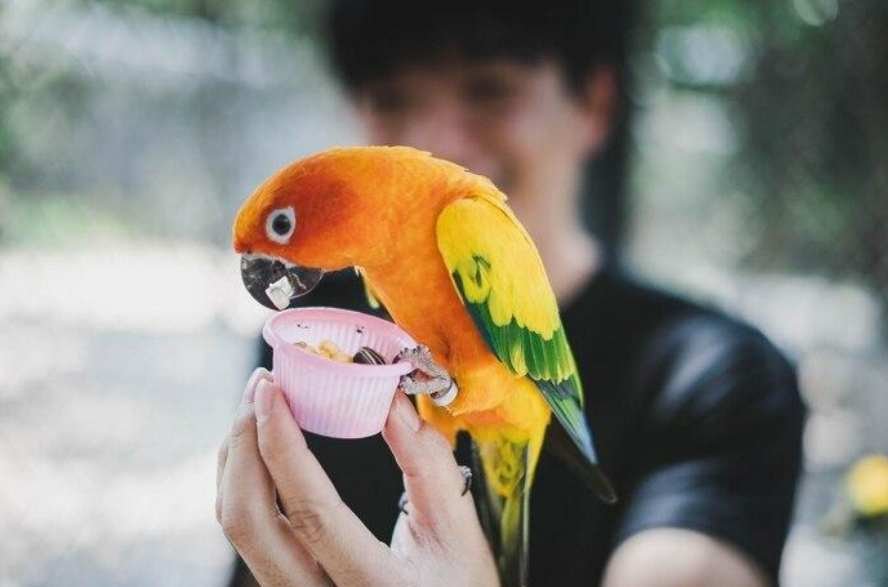
Are you, for example, the owner of a Budgie? In that case, you should go for seed mixes that primarily make use of white millet or small oats. Do you own a couple of Rosellas? Then, you should opt for mixes with sunflower seeds and buckwheat. Each Australian parrot species will have its own nutritional particularities, and each one of your pet birds will have a particular taste preference. Sure, pellets are better, as they provide a complete nutritional punch with every meal. That said, seeds are also essential for bird nutrition, and you will need to pay attention to what you decide to purchase.
Of course, at least for a short while, your small cockatiel will have no problem eating the bird seed designed and manufactured for Budgies. However, in the long term, you will need to pay special attention to the nutritional values of the bird food you purchase, and ensure the pellets or seed mixes you buy allow for the daily nutritional intake required for your feathery friend’s daily activities.
Cockatiels, for example, have less protein and fat requirements than budgies, while Sulphur-crested Cockatoos will require more Vitamin A, due to their size. Likewise, Eclectus Parrots will require more beta-carotene than most birds and will necessitate a diet slightly richer in fresh fruits. No two-bird species are exactly the same, which is why, before selecting bird food, you will need to do your research and be 100% sure of your bird’s proper nutritional profile.
