

Introduction
Industrial operations across the globe generate dust, particulate matter, and airborne pollutants that can negatively affect equipment performance, worker health, and the surrounding environment. Effective dust filtration systems have therefore become an essential component of modern manufacturing, environmental protection, and workplace safety. Among these systems, dust collector bags and bag filters play a critical role in capturing fine particles and maintaining clean airflow. This article explores the importance of industrial dust filtration, the applications of dust collector bags, and the role of specialized manufacturers in delivering reliable and customized filtration solutions.
Understanding Industrial Dust Collection Systems
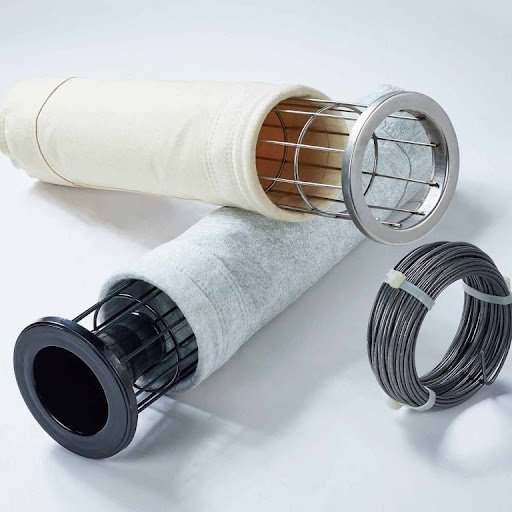
A Filter Bag Manufacturer plays a key role in supporting industries that rely on dust collection systems to maintain clean and compliant operations. Dust collection systems are designed to capture, filter, and contain airborne particles produced during industrial processes such as grinding, mixing, cutting, and material handling. These systems typically consist of a dust collector unit, filter bags, cages, and airflow control mechanisms.
Filter bags act as the primary filtration medium, trapping dust particles while allowing clean air to pass through. Their efficiency directly impacts system performance, emissions control, and regulatory compliance. High-quality filter bags are engineered to handle varying temperatures, moisture levels, chemical exposure, and dust loads, making them suitable for a wide range of industrial environments.
Importance of Dust Collector Bags in Environmental Protection
Dust collector bags are not only critical for operational efficiency but also for environmental protection. Industrial emissions containing fine particulate matter can contribute to air pollution and pose risks to public health if not properly managed. Environmental regulations in many regions require industries to limit airborne emissions and adopt effective filtration solutions.
By capturing dust at the source, dust collector bags help reduce emissions released into the atmosphere. This supports cleaner production processes and aligns industrial operations with environmental sustainability goals. In sectors such as metallurgy, chemical processing, and energy production, effective dust filtration is essential for meeting environmental standards and minimizing ecological impact.
Industrial Applications of Dust Collector Bags
Dust collector bags are widely used across multiple industries due to their adaptability and effectiveness. In the chemical industry, they help manage fine powders and reactive particles. In pharmaceutical manufacturing, they support cleanroom environments by controlling airborne contaminants and ensuring product purity.
The food processing industry relies on dust filtration to maintain hygiene standards and prevent cross-contamination. In metallurgy and metal processing, dust collector bags capture metallic particles generated during cutting, welding, and polishing operations. Additionally, in environmental protection projects, such filtration systems are used in waste treatment plants, cement production, and material recycling facilities to control particulate emissions.
Choosing the Right Bag Filter Manufacturer
Selecting a reliable Bag Filter Manufacturer is a crucial decision for industries seeking long-term filtration performance and regulatory compliance. A qualified manufacturer provides filter bags that are engineered to meet specific operational requirements, including airflow volume, dust characteristics, temperature resistance, and chemical compatibility.
Manufacturers with technical expertise can recommend suitable materials such as polyester, aramid, PTFE, or fiberglass, depending on the application. Beyond standard products, experienced manufacturers also offer technical support, quality assurance, and customization options to ensure optimal system integration and performance.
The Value of Custom Dust Collector Bags
Standard filter bags may not always meet the unique demands of complex industrial processes. This is where custom dust collector bags become essential. Customization allows filtration solutions to be tailored according to bag dimensions, fabric selection, surface treatments, and operating conditions.
Custom dust collector bags are designed to improve filtration efficiency, extend service life, and reduce maintenance costs. Industries dealing with high temperatures, corrosive dust, or fine particulate matter benefit significantly from customized solutions. For more technical details and product specifications, more information can be found at the official site, where specialized dust filtration solutions are presented for various industrial applications.
Quality Control, Maintenance, and Operational Efficiency
The effectiveness of dust filtration systems depends not only on initial product quality but also on ongoing maintenance and quality control. Proper installation, regular inspection, and timely replacement of dust collector bags help maintain consistent airflow and prevent system downtime.
High-quality filter bags reduce pressure drop within the system, leading to lower energy consumption and improved operational efficiency. In addition, well-maintained filtration systems contribute to safer working environments by minimizing airborne dust exposure for employees. Partnering with reputable manufacturers ensures access to tested products and technical guidance for long-term system reliability.
Conclusion
Industrial dust filtration is a vital component of modern manufacturing, environmental protection, and workplace safety. Dust collector bags serve as the core of effective filtration systems, capturing harmful particles and supporting compliance with environmental regulations. With applications spanning chemical, pharmaceutical, food, metallurgy, and environmental sectors, the demand for reliable and customized filtration solutions continues to grow.
By working with experienced manufacturers and investing in custom dust collector bags where necessary, industries can enhance operational efficiency, protect the environment, and ensure sustainable production practices. As environmental standards evolve, advanced dust filtration solutions will remain central to responsible industrial operations.
