

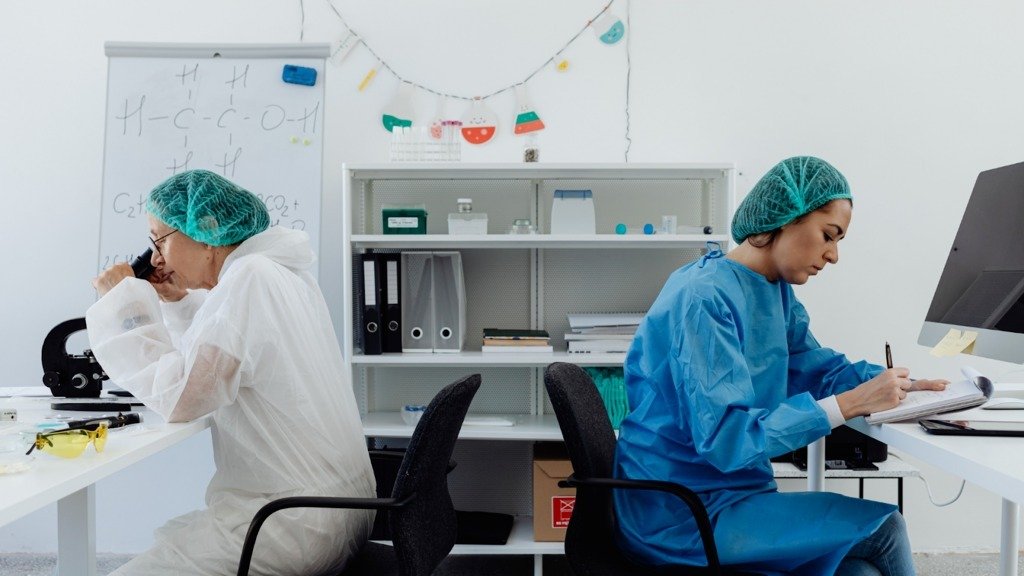
Telemedicine, packed schedules, and increasingly complex cases have pushed documentation demands to an all-time high for medical specialists. What once felt like a routine administrative task has grown into one of the biggest obstacles to efficient, meaningful patient care. Clinics everywhere are feeling the strain as charting expands far beyond clinic hours.
Specialists are tracking advanced diagnostics, procedures, treatment protocols, and complex clinical decision-making. Traditional note-taking methods can’t keep up with this level of detail, and the workload spills into personal time. This is exactly why AI-powered SOAP note generators are becoming essential, not optional.
Why Old-School Documentation Just Doesn’t Cut It for Specialists
Here’s the thing-medical specialists aren’t dealing with straightforward cases. Your SOAP notes for medical specialists have to capture super intricate diagnostic info, specialized medical jargon, and treatment protocols with serious nuance that cookie-cutter templates completely miss.
Think about it. Cardiologists need hemodynamic readings and imaging interpretations documented precisely. Oncologists are juggling complicated chemo protocols spanning multiple appointments. Psychiatrists? They need detailed narrative notes that actually capture the therapeutic subtleties. Traditional methods just shove you into inflexible formats that totally ignore your specialty’s actual needs.
Electronic health records were supposed to make life easier. Instead? Total frustration. Templates refuse to adapt to how you actually document, and they sure as hell can’t think critically about what your specialty genuinely requires. You wind up battling the system rather than getting any real support from it. All these headaches scream for smarter solutions that actually match how specialists work in the real world.
How AI Tech is Completely Changing Clinical Documentation
Modern digital medical documentation tools are using artificial intelligence to totally transform how specialists handle patient records. Instead of manually typing every single thing, these systems actually listen to your patient visits and automatically organize the information for you.
Unlike those ancient dictation programs, a SOAP note generator works quietly in the background during your natural patient conversation. You don’t need to pause awkwardly, bark commands, or dictate section by section. The tech picks up on natural dialogue between you and your patient, grasping context and medical terms without interrupting your flow.
These systems go way beyond simple transcription-they genuinely understand. Natural language processing spots subjective complaints, objective findings, assessments, and plans without you having to explicitly label every section. The AI knows when you’re talking about symptoms versus explaining your clinical thinking.
Specialty Training Makes All the Difference
The best automated SOAP note software trains specifically on specialty terminology. A cardiology system understands the difference between systolic and diastolic murmurs. Psychiatric tools recognize DSM-5 criteria and risk assessment language naturally. This specialized training means way fewer edits and dramatically more accurate documentation right from the start.
Current research proves that the best AI SOAP note generator slashes charting time by up to 70%. We’re talking about reclaiming actual hours every single day.
Real Productivity Wins Across Every Specialty
Time savings look different depending on your field, but every specialty sees major improvements after implementing smart documentation solutions.
Cardiology Gets Way Faster
Cardiologists dealing with complex diagnostic data are cutting documentation time in half. Instead of manually entering echo findings and cath results, AI systems grab relevant measurements and drop them into structured notes automatically. You focus on interpretation, not mindless data entry.
Oncology Treatment Gets Streamlined
Cancer care demands extensive documentation across chemo cycles, imaging follow-ups, and team discussions. Automated SOAP note software tracks treatment protocols automatically, reducing tumor board prep time by 2-3 hours every week.
Psychiatry’s Special Documentation Challenge
Mental health specialists benefit massively from narrative capture. Your therapeutic conversations hold incredibly rich clinical information that’s absolutely tedious to document by hand. AI scribes capture these details while you maintain genuine eye contact with patients, actually strengthening the therapeutic bond.
The productivity boost goes beyond just time-you’ll see better coding accuracy, improved compliance, and measurably less burnout.
Rolling This Out Without Wrecking Your Workflow
Adopting new tech doesn’t mean total chaos. Most specialists successfully integrate these tools within 2-3 weeks, tops.
Test Drive with a Pilot Program
Start with just one or two providers in your practice. Test how accurate the system is with your specialty’s terminology. Get feedback from both clinicians and patients about their experience. This gradual rollout minimizes risk while proving actual value.
Training That Doesn’t Suck
Modern AI documentation tools need barely any training. You’re not memorizing complicated software-you’re literally just having normal conversations with patients. Most specialists feel totally comfortable within 3-5 patient encounters. The technology meets you where you are.
Handling Patient Questions About Recording
Patients usually react positively when you explain recording helps you stay present during visits. A quick consent chat at the beginning establishes trust and transparency. Most patients genuinely appreciate that you’re prioritizing face-to-face connection over screen time. They help auto-generate other clinical notes beyond the SOAP note that eat up charting time, including after-visit summaries and patient instructions.
Beyond Saving Time: The Unexpected Perks
When you improve clinical productivity through intelligent documentation, surprising benefits pop up throughout your entire practice.
Revenue Boost Through Accurate Coding
Better documentation leads directly to appropriate coding and improved reimbursement. Specialists frequently undercode because they didn’t document all the complexity. AI systems capture everything, potentially bumping revenue per encounter by 10-15%.
Happier Patients
When you’re not glued to a screen, patients absolutely notice. Satisfaction scores typically jump when specialists adopt ambient documentation. Patients feel heard, understood, and valued-because they legitimately are.
Keeping Great Providers Around
The documentation burden pushes specialists out of medicine entirely. By eliminating this major stressor, practices see better provider retention and renewed passion for patient care. That continuity helps everyone.
These ripple effects make the ROI way more compelling than simple time savings alone.
Moving Ahead With Smarter Documentation
AI-powered documentation is a realistic solution to the growing burnout specialists face every day. These tools finally respect the complexity of your work, cutting hours of charting while improving accuracy and freeing you to focus on patient care.
A short trial is usually enough to feel the difference, and most specialists never look back once they experience the relief. As documentation demands keep rising, relying on outdated methods only holds your practice back. Modern AI note generators give you your evenings back, strengthen patient interactions, and support long-term career sustainability.
Your Burning Questions About AI Documentation for Specialists
Can these systems actually handle rare subspecialty terminology?
Absolutely. Modern AI models train on massive medical literature including subspecialty journals. They recognize rare conditions and specialized procedures. You’ll still review for accuracy, obviously, but the baseline is shockingly sophisticated for most subspecialties.
What if the AI screws up the generated note?
You’re always the final reviewer before signing off. The technology creates a draft-you verify clinical accuracy and make whatever corrections are needed. Legal liability stays with the physician, exactly like traditional documentation methods.
How do AI documentation tools play nice with my current EHR?
Most solutions work independently from your EHR, letting you copy finished notes directly into your system. This approach skips complex technical integrations while still delivering massive efficiency gains.
