

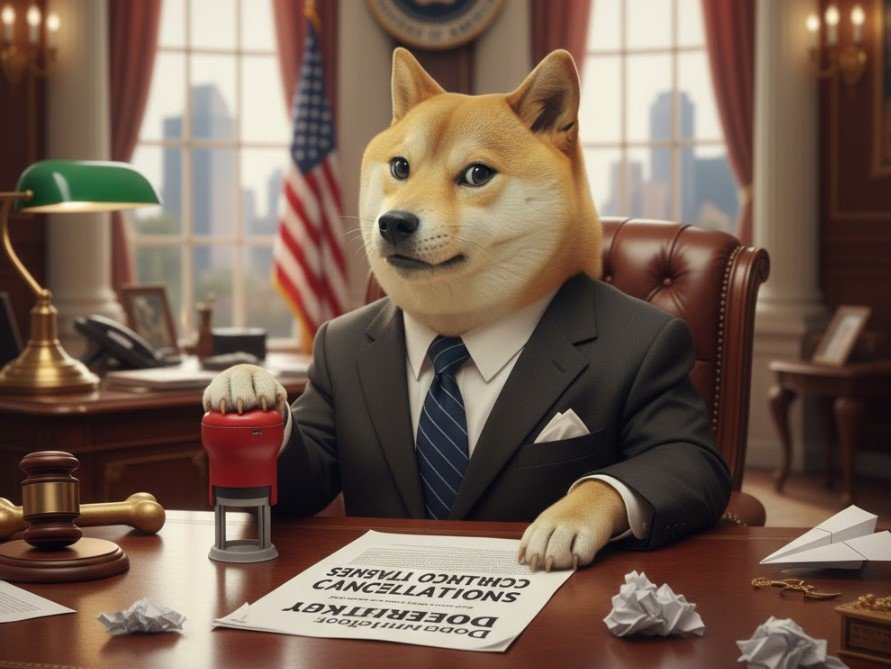
In the ever-evolving world of business and government contracts, one term that has garnered significant attention is “Doge federal contract cancellations.” While initially associated with the rise of the Dogecoin cryptocurrency, the term has taken on new relevance in the context of federal contracts and government projects. In this article, we will explore the causes, implications, and consequences of Doge federal contract cancellations, shedding light on the potential effects on businesses, government agencies, and taxpayers. Additionally, we will discuss the necessary steps that businesses can take to manage these cancellations effectively.
What Are Doge Federal Contract Cancellations?
At its core, Doge federal contract cancellations refer to the termination or suspension of contracts awarded by government agencies to companies, often tied to the rise of Dogecoin, a popular cryptocurrency. However, the term is now widely used to describe the cancellation of any federal government contracts due to various circumstances, such as policy changes, budget constraints, or contractor performance issues. These cancellations can have significant consequences for businesses and can sometimes be a result of controversial trends or technological advancements, including cryptocurrency’s growing influence.
Federal contracts, which are awarded through a highly regulated process, represent a significant portion of the U.S. government’s expenditures. Businesses across various industries, including technology, construction, defense, and healthcare, engage in these contracts to provide goods and services to government entities. When these contracts are canceled, it can create a ripple effect throughout the economy and impact both the contractors and their workforce.
Also Read: What is Gonzay com? Exploring Services, Tips, and Insights
Causes of Doge Federal Contract Cancellations
1. Budgetary Constraints
One of the most common reasons for federal contract cancellations is budgetary constraints. The U.S. government operates on an annual fiscal budget, and when funds are reallocated or reduced, some contracts may be terminated to align with new financial priorities. This scenario is especially relevant in the context of large infrastructure projects, defense contracts, and government programs that require substantial financial investment.
2. Changes in Government Policy
Government policies and priorities can shift dramatically due to changes in administration or national objectives. For instance, the introduction of new regulations, laws, or executive orders can render certain contracts irrelevant or unfeasible. This is often the case with contracts linked to emerging technologies, such as cryptocurrency-related contracts, where regulations and government stance can change rapidly.
3. Performance Issues with Contractors
Contract cancellations may occur if the government determines that a contractor is not meeting the performance standards outlined in the contract. Issues such as delays, quality control problems, or failure to comply with safety or legal requirements can lead to contract terminations. Additionally, contractors that fail to deliver services on time or fail to meet deadlines may face significant consequences, including canceled contracts.
4. Fraud and Ethical Concerns
In some instances, contracts may be canceled due to concerns over fraudulent activities or ethical breaches by contractors. If a government agency discovers that a company has been involved in illegal or unethical activities, such as bribery, corruption, or misreporting of financial statements, the government can terminate the contract to avoid legal repercussions.
5. Technological Advancements and Innovations
As new technologies emerge, the need for certain federal contracts may diminish. For example, advances in AI, blockchain, and cryptocurrency have led to new considerations in federal procurement. The rise of Dogecoin, for example, has created new complexities around cryptocurrency regulations and investments. In some cases, contracts related to older technologies may be canceled in favor of newer, more efficient solutions.
The Economic Impact of Doge Federal Contract Cancellations
The termination of federal contracts, particularly those related to emerging sectors like cryptocurrency, can have a significant economic impact. These cancellations can cause disruptions in the supply chain, leading to delays in goods and services, layoffs in affected companies, and a reduction in business revenue.
Impact on Small and Medium-Sized Enterprises (SMEs)
Small and medium-sized enterprises (SMEs) that rely heavily on government contracts are particularly vulnerable to cancellations. For many SMEs, federal contracts represent a major source of revenue, and when these contracts are canceled, the financial strain can be overwhelming. Furthermore, businesses may face reputational damage, as government entities are often seen as reliable partners for long-term projects.
Impact on the Government
For the government, the cancellation of contracts can be costly, both in terms of wasted administrative time and public perception. Contractors often invest significant resources into bidding for federal contracts, and a sudden cancellation can lead to legal disputes, as businesses may seek compensation for costs incurred during the bidding process. Additionally, canceled contracts can delay critical government services or infrastructure projects.
Impact on the Workforce
When federal contracts are canceled, employees working under those contracts may face layoffs or job uncertainty. In industries where specialized skills are required, such as defense or healthcare, this can result in a loss of experienced workers who may struggle to find new employment opportunities. Additionally, some contractors may find it difficult to recruit new talent if they are seen as unreliable employers due to a history of contract cancellations.
Also Read: Doge Transparency FOIA Lawsuit: Legal Battle and Insights
How to Manage the Risk of Doge Federal Contract Cancellations
1. Diversify Revenue Streams
Businesses heavily reliant on federal contracts should consider diversifying their revenue streams. By exploring opportunities in the private sector, local governments, or international markets, businesses can reduce their dependence on government contracts. This strategy helps businesses mitigate the risks associated with contract cancellations and fosters long-term stability.
2. Maintain a Strong Reputation for Performance
Ensuring that contracts are fulfilled on time and to the required standard is crucial for long-term success in the government contracting space. By maintaining high standards of performance and consistently meeting deadlines, businesses can improve their chances of securing future government contracts, even if one or two contracts are canceled. Businesses should prioritize quality control and compliance to avoid potential cancellations related to poor performance.
3. Build Relationships with Government Agencies
Establishing and maintaining strong relationships with government officials and decision-makers can be beneficial when navigating potential cancellations. Open lines of communication allow businesses to address concerns before they escalate, reducing the likelihood of a contract termination. Networking and staying informed about government priorities can also provide businesses with early insights into upcoming shifts in contract demands.
4. Stay Informed on Legislative and Regulatory Changes
With the rise of new technologies like cryptocurrency, it’s important for contractors to stay informed about legislative and regulatory changes that may affect their contracts. Dogecoin and other cryptocurrencies have the potential to disrupt traditional industries, and businesses involved in these sectors must be prepared for rapid changes in government policies and regulations.
5. Prepare for Legal Disputes
When a federal contract is canceled, businesses may face legal disputes with government agencies. To mitigate this risk, companies should ensure that they have legal counsel who is familiar with government contract law. Understanding the terms and conditions of contracts, including cancellation clauses, can help businesses navigate potential legal challenges and minimize the financial impact.
Also Read: Mike Wolfe Passion Project: A Journey of Preservation and Community Impact
Key Lessons Learned from Doge Federal Contract Cancellations
1. Adaptability Is Crucial
The world of government contracting is fluid and often unpredictable. Businesses must be adaptable to survive in this environment. Whether it’s dealing with budget cuts, policy shifts, or changes in technology, companies that can pivot quickly and adjust their strategies will be better positioned to weather the storm of federal contract cancellations.
2. The Importance of Risk Management
Risk management strategies should be a priority for any company engaging in federal contracts. This involves not only diversifying revenue streams but also assessing the likelihood of cancellations, understanding the factors that contribute to cancellations, and preparing for various contingencies.
3. Monitoring Cryptocurrency and Emerging Technologies
For businesses involved in cutting-edge technologies, such as those linked to cryptocurrency, keeping an eye on emerging trends and regulations is essential. The rise of Dogecoin and similar cryptocurrencies has created new opportunities and risks for businesses, and understanding these developments can help companies better anticipate potential cancellations related to evolving technologies.
Also Read: NTDTVJP: The Voice of Independent Journalism in Japan
Conclusion: Navigating the Challenges of Doge Federal Contract Cancellations
The landscape of Doge federal contract cancellations presents significant challenges for businesses, government agencies, and the workforce. By understanding the reasons behind contract cancellations, the economic impact, and how to effectively manage the risks, businesses can position themselves for success in an ever-changing environment. Maintaining strong relationships with government agencies, staying informed about policy changes, and diversifying revenue streams are all key strategies for reducing the negative impact of contract cancellations.
As the federal contracting landscape continues to evolve, particularly in relation to emerging technologies like cryptocurrency, businesses must stay agile and proactive in managing risks. By applying these insights, companies can better navigate the challenges and seize new opportunities in the world of government contracts.
FAQs
1. What is a Doge federal contract cancellation?
A Doge federal contract cancellation refers to the termination of government contracts, often linked to emerging trends like cryptocurrency, technological shifts, or budgetary changes.
2. How do budget cuts affect federal contracts?
Budget cuts may lead to the cancellation of federal contracts, especially in cases where funds are redirected to higher-priority projects or sectors.
3. Can federal contract cancellations be avoided?
While cancellations can’t always be avoided, businesses can reduce the risk by maintaining strong performance, diversifying revenue streams, and staying informed about regulatory changes.
4. What should businesses do if their federal contract is canceled?
Businesses should assess the situation, consult legal counsel, and explore alternative opportunities to mitigate the financial impact of the cancellation.
Visit For More information Flashingmedia
