

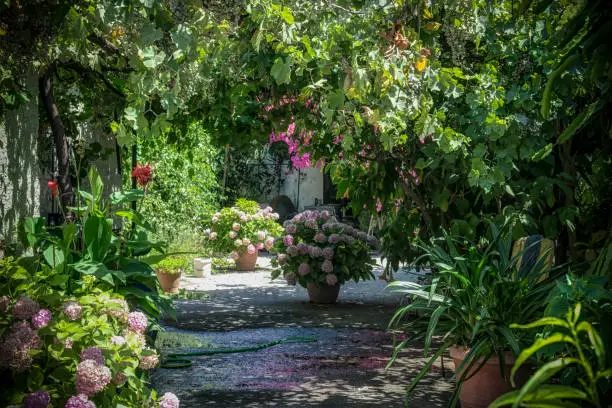
Olive trees have long been heralded as symbols of peace, prosperity, and longevity in many cultures. In contemporary landscaping, their aesthetic appeal and numerous benefits make them a sought-after choice for modern gardens. With their elegant silvery leaves and gnarled trunks, olive trees not only provide visual interest but also offer practical advantages that cater to today’s eco-conscious gardeners. They’re versatile, drought-tolerant, and can adapt well to various environments, making them suitable for a wide range of settings, from urban backyards to rural estates.
If you’re considering enhancing your garden’s beauty, health, and sustainability, you may want to explore why choose an olive tree. Here, we’ll delve into the myriad benefits of incorporating olive trees into your landscape, exploring their aesthetic, environmental, and economic advantages, as well as how to care for them. Whether you want to create a Mediterranean-themed garden or simply add a unique element to your landscape, olive trees can be an excellent choice.
1. Timeless Aesthetic Appeal
Olive trees exude a classic elegance with their gnarled trunks and silvery-green foliage. Their unique appearance adds character and charm to any garden, making them a focal point year-round. Unlike many other trees, olive trees maintain their beauty throughout the seasons, providing vibrant color and texture even in winter. Their small, delicate flowers in spring offer a subtle display, followed by nutrient-rich olives that provide visual interest throughout the summer.
These trees lend themselves to various garden styles, from traditional Mediterranean landscapes to modern minimalist designs. Pairing olive trees with native plants enhances their aesthetic impact, creating a harmonious and inviting outdoor space. Their timeless look not only enriches your garden’s design but also offers a sense of history and cultural significance, making them a delightful addition to any modern garden.
2. Drought Resistance and Low Maintenance
One of the most significant advantages of olive trees is their drought tolerance. Initially cultivated in Mediterranean climates, these trees thrive in dry conditions and can withstand periods of low water availability. Once established, olive trees require minimal watering, making them an ideal choice for gardeners looking to conserve water. This natural resilience to drought reduces the need for frequent irrigation, promoting sustainability within your garden.
Moreover, olive trees are relatively low-maintenance compared to other fruit-bearing trees. They don’t require excessive fertilization or pruning, making them perfect for busy homeowners or novice gardeners. A simple annual pruning to maintain shape and remove any dead branches will suffice. This low-maintenance characteristic makes olive trees an attractive option for modern life, where time and resources are often limited.
3. Versatile Landscaping Options
Olive trees are incredibly versatile when it comes to landscaping. Their compact size makes them suitable for various garden spaces, from small urban backyards to larger rural properties. Whether planted as standalone specimens or in clusters, they add depth and visual interest to any landscape. Additionally, olive trees can be used effectively in hedges or as privacy screens, providing both beauty and functionality.
You can easily incorporate olive trees into containers, making them suitable for patios or balconies. This adaptability allows you to create a Mediterranean oasis in any setting, regardless of available space. Olive trees also complement a variety of plants, offering a seamless transition between other flora and enhancing the overall aesthetic of your garden.
4. Environmental Benefits
Incorporating olive trees into your garden offers several environmental benefits. As evergreen trees, they provide oxygen while absorbing carbon dioxide, contributing positively to air quality. Their extensive root systems help prevent soil erosion, making them effective in promoting soil health. Additionally, olive trees attract pollinators such as bees and butterflies, supporting local ecosystems and helping to sustain biodiversity.
Growing olive trees also encourages sustainable gardening practices. Their natural drought resistance means less water is consumed, and they can thrive with fewer chemical inputs compared to other crops. By choosing to plant olive trees, you not only beautify your garden but also play a role in promoting a healthier environment.
5. Edible Harvests
One of the most enticing aspects of growing olive trees is the prospect of harvesting your own olives. These nutrient-rich fruits can be used in various culinary applications, from making olive oil to adding flavor to dishes. If you’re interested in sustainability, growing your own olives can reduce reliance on store-bought produce and lessen your environmental footprint.
Olives can be harvested once the tree matures and produces fruit, typically within three to four years after planting. While some varieties are best for oil production, others can be enjoyed as table olives. By incorporating olive trees into your garden, you can enjoy the dual benefit of aesthetic beauty and a savory, homegrown harvest.
6. Increase Property Value
In addition to enhancing your garden’s beauty and providing practical benefits, olive trees can also increase property value. Their unique appearance and the prestige associated with growing olive trees can make your property more attractive to potential buyers. Landscapes featuring mature and well-cared-for olive trees create visually stunning environments that appeal to homebuyers looking for character and charm.
Furthermore, as awareness grows around sustainable gardening practices, properties with trees such as olives that promote environmental health are likely to be more desirable. Investing in olive trees today can yield a significant return on investment, making them a wise addition to any landscape design.
7. A Symbol of Peace and Longevity
Beyond their physical beauty and benefits, olive trees carry rich symbolism. Known as a symbol of peace, longevity, and resilience, olive trees have been cherished in cultures worldwide for centuries. Incorporating these trees into your garden can create a serene and calm environment, providing a peaceful retreat in your outdoor space.
This symbolic value can enhance your garden’s atmosphere, making it a place of reflection and relaxation. The connection to history and tradition adds depth to your landscape, allowing you to cultivate not just a garden but also a meaningful space.
8. Easy Accessibility
Finding a suitable source for olive trees has never been easier. With many local nurseries now specializing in olive varieties, you can find healthy and vibrant trees to plant in your own garden. Online platforms also offer a wide selection of olive trees, making it simple to find a magnolia tree or other varieties that suit your garden style and climate requirements. Consider local nurseries that provide personalized advice to help you choose the best olive tree for your garden.
Investing in a robust olive tree not only enriches your landscape but also allows you to engage with your garden in a rewarding and fulfilling way.
Frequently Asked Questions (FAQs)
How much sunlight do olive trees need?
Olive trees thrive in full sun, requiring at least 6 hours of direct sunlight each day for optimal growth and fruit production.
Can olive trees tolerate drought?
Yes, olive trees are drought-tolerant and require minimal watering once established, making them a sustainable choice for water-conservation gardening.
Do olive trees produce fruit every year?
Most olive trees produce fruit annually, but the yield can vary based on environmental conditions and care practices.
What type of soil do olive trees prefer?
Olive trees prefer well-draining soil with a slightly alkaline to neutral pH. Adding organic matter can improve drainage and soil quality.
Can olive trees be grown in containers?
Yes, olive trees can be successfully grown in pots, making them suitable for patios or smaller landscapes; ensure the pot has adequate drainage.
Conclusion
Incorporating olive trees into your garden is an excellent way to enhance its beauty while enjoying the myriad benefits these trees offer. Their timeless aesthetic, low-maintenance care, and environmentally friendly characteristics make them a perfect choice for modern landscaping. Additionally, the potential for edible harvests and the symbolism attached to olive trees adds even more appeal.
By investing in this versatile tree, you will not only elevate the visual impact of your property but also contribute to a more sustainable and meaningful garden space. Whether you’re a seasoned gardener or just starting, olive trees can enrich your landscape experience for years to come. Start exploring the possibilities today!
